_edited.png)

GLP-1 Telehealth Program Review Checklist

The promise of a GLP-1 telehealth program is appealing: medical weight-loss support from home, fewer scheduling barriers, and a plan that fits into real life. But a polished website and a low introductory price do not tell you whether the care is right for your health, budget, or long-term goals. A thoughtful GLP-1 telehealth program review helps you look beyond convenience and make a confident decision.
GLP-1 medications can be powerful tools for eligible patients, but they work best within a plan that includes appropriate screening, clinical oversight, nutrition, movement, and progress tracking. The right program should help you understand what is changing, why it is changing, and what to do when the scale does not move in a straight line.
What a GLP-1 telehealth program should include
Telehealth is a delivery model, not a standard of care. One program may offer a licensed clinician, comprehensive health history review, ongoing messaging, and clear medication education. Another may move patients through a quick questionnaire with limited access to a prescriber after enrollment.
Start with the medical team. Find out who evaluates you, who writes prescriptions when appropriate, and whether you can communicate with that clinician or a qualified care team between appointments. A program should clearly identify its licensed providers and explain where they can practice. It should also ask meaningful questions about your medical history, current medications, allergies, weight history, and goals before recommending treatment.
A quality evaluation is not a hurdle to rush through. It is a safety step. GLP-1 medications are not appropriate for everyone, and a clinician may need to discuss factors such as pregnancy plans, a history of certain thyroid cancers, pancreatitis, severe gastrointestinal conditions, kidney concerns, or medications that can affect blood sugar. Your personal circumstances determine the right path.
Review medication sourcing with extra care
Medication sourcing is one of the most important parts of a GLP-1 telehealth program review. Ask directly which medication may be prescribed, whether it is an FDA-approved brand-name medication or a compounded preparation, and how the prescription is filled and delivered.
FDA-approved medications are reviewed for safety, effectiveness, and manufacturing quality for their approved uses. Compounded medications can be legally prepared in specific circumstances, including when an FDA-approved drug is on shortage, but they are not FDA-approved. They may have different formulations, concentrations, instructions, and quality considerations. A reputable program should explain this distinction in plain language, never blur it, and tell you the name and location of the dispensing pharmacy.
Be cautious if a program uses vague language such as “the same as” a brand-name medication without clearly stating what you are receiving. You should also receive clear dosing instructions, storage guidance, and information about what to do if a shipment is delayed or a dose is missed. Good care makes the practical details visible before you pay.
Look past the monthly price
A low advertised fee can be useful, but it is rarely the full picture. Your total cost may include the membership, medication, shipping, lab work, consultation fees, follow-up visits, and supplies. Insurance coverage varies widely, and many telehealth programs operate on a cash-pay basis. Ask whether the price is fixed, what can change after the first month, and whether there is a cancellation process.
Value is not simply the lowest monthly number. A less expensive program with minimal clinical support may feel frustrating if you develop side effects, need help with a dose adjustment, or have questions about a plateau. On the other hand, a higher-touch program is not automatically better if its services do not match what you need.
Consider what support will help you maintain momentum. Some people want quick clinician access and structured nutrition coaching. Others already work with a primary care provider, dietitian, or trainer and primarily need prescription management. The best fit depends on your existing support system, health needs, and ability to follow through with the program’s recommendations.
Measure more than pounds lost
Weight is a useful metric, but it does not tell the entire story. GLP-1 treatment can change appetite, eating patterns, energy intake, body composition, and daily routines. Your program should encourage a realistic view of progress, especially because early weight changes may include fluid shifts and later progress may slow.
Ask how the program tracks outcomes. Regular weight check-ins can help, but they are stronger when paired with waist measurements, strength or activity goals, nutrition habits, sleep, side effects, and how your clothes fit. If body composition data is available, it may help you and your clinician focus on preserving lean mass while losing weight.
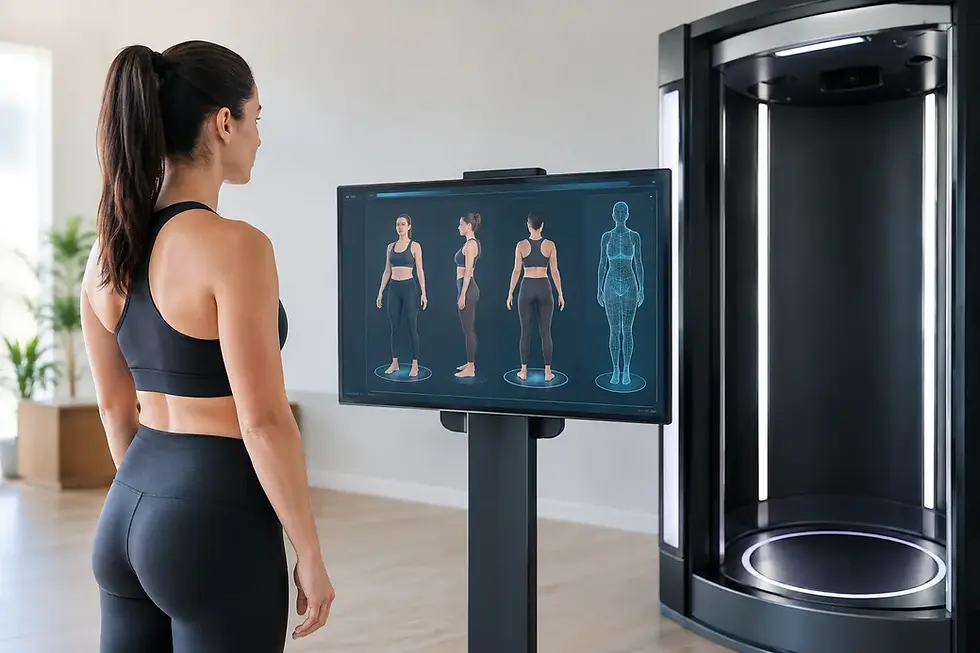
Visualization can also make an abstract goal feel more tangible. A 3D body visualization tool such as My Body Simulator can help you see your potential transformation, set realistic expectations, and document visible changes over time. It is not a medical prediction or a replacement for professional guidance, but it can turn a distant goal into a progress plan you can revisit.
Assess the plan for side effects and plateaus
Nausea, constipation, diarrhea, vomiting, reflux, and reduced appetite are commonly discussed GLP-1 side effects. Not everyone experiences them, and severity varies. What matters in a telehealth program is whether you know how to get help when symptoms affect your hydration, nutrition, or daily life.
Before enrolling, ask how side effects are handled. Does the program offer timely messaging? Are dose increases individualized or automatically scheduled? Will the clinician discuss nutrition adjustments, hydration, protein intake, and when to pause or seek urgent care? A program that treats dose escalation as automatic may not provide the personalized care many patients need.
Plateaus deserve the same attention. A plateau does not mean treatment has failed or that you lack discipline. Your body may be adapting to lower calorie intake, your activity may have changed, or the scale may be masking improvements in body composition. A useful care team looks at the full pattern before making medication changes. It also helps you strengthen habits that support results when medication access, coverage, or treatment plans change.
Red flags that deserve a pause
Convenience should never require you to ignore unclear information. Step back and ask more questions if you notice any of the following:
A program promises a specific number of pounds lost or guarantees results.
The medication source, formulation, pharmacy, or full price is difficult to identify.
Enrollment happens without a meaningful health screening or access to a licensed clinician.
You are encouraged to increase doses quickly despite symptoms or without follow-up.
The program discourages communication with your primary care provider or offers no plan for urgent concerns.
These signals do not automatically prove a program is unsafe, but they do suggest you need clearer answers before sharing medical information or making a payment.
Questions to ask before you enroll
A short conversation can reveal a great deal about the quality of care. Ask who will manage your treatment, how often you will be reviewed, what the complete monthly cost includes, and how you can cancel. Ask whether lab testing is required or recommended for your situation, how prescriptions are filled, and what happens if your medication is unavailable.
Also ask about the long view. Will the program help you build a maintenance plan? How does it approach strength training, adequate protein, sleep, and nutrition quality? What support is available if you decide to stop medication or need to transition care to your local clinician? The answers should be specific, respectful, and free of pressure.
Choose the program that supports your next chapter
The strongest GLP-1 telehealth programs do more than send medication. They help eligible patients understand their options, monitor how their body responds, and build the routines that make progress more sustainable. That combination of clinical guidance and personal visibility can help you move from uncertainty to informed action.
Your transformation does not need to look like anyone else’s. Start with clear information, realistic milestones, and a care model that gives you room to ask questions. When you can track your progress and understand the decisions behind your plan, each step forward becomes easier to see and celebrate.
Interested in taking the next step? eMI offers a doctor-led GLP-1 weight loss program designed to help eligible patients achieve their goals with personalized care and ongoing support. Learn more and see if the program may be right for you at www.emi-aesthetics.com/glp-1.


Comments