_edited.png)
Does Semaglutide Change Body Shape Over Time?
- Noam Yadin
- 3 hours ago
- 6 min read

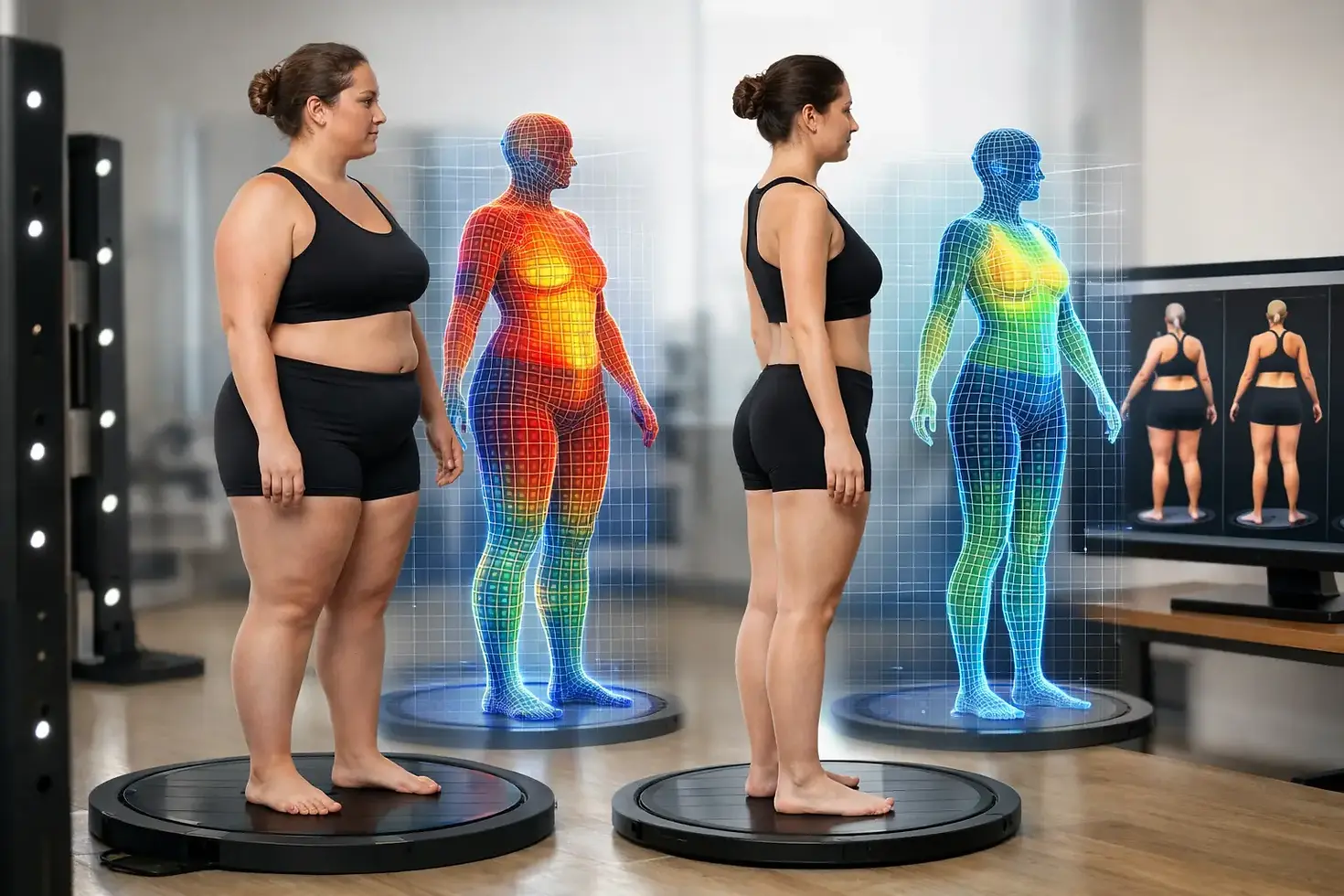
The number on the scale can move quickly, while the mirror tells a more complicated story. If you are considering a GLP-1 medication, you may be asking: does semaglutide change body shape, or does it simply lead to lower body weight? The short answer is yes, body shape can change noticeably as weight comes off. But the result depends on where your body stores fat, how much muscle you maintain, your starting body composition, and how your skin adapts along the way.
Semaglutide is not a body-sculpting treatment. It does not choose where fat comes off first or guarantee a particular waistline, hip shape, or clothing size. What it can do, for eligible patients under medical care, is support meaningful weight loss by helping regulate appetite and food intake. That weight loss may create a transformation you can see, measure, and track over time.
How semaglutide can change body shape
Semaglutide is a GLP-1 medication. It works in part by mimicking a naturally occurring hormone involved in appetite regulation, helping many people feel full sooner and stay satisfied longer. When calorie intake falls and the body uses stored energy, weight loss can include fat mass, water, and some lean mass.
Because fat is distributed throughout the body, losing it can change visible proportions. A person may notice a smaller midsection, less fullness in the face, changes in the upper arms or thighs, or a different fit through the hips and chest. For some, the first visible change is in the face or waist. For others, it may be several months before measurements shift in a way that feels obvious.
Your genetics play a major role. Two people can lose the same amount of weight and look very different afterward. One may lose more abdominal fat and see a clear change in waist definition. Another may lose proportionally from the hips, breasts, arms, or legs. Neither pattern is better. They are simply different expressions of the same overall progress.
Weight loss is not the same as body recomposition
A smaller body is not automatically a more toned or defined body. The difference often comes down to body composition: the balance of fat mass, muscle mass, bone, and water in your body.
During weight loss, the goal is generally to reduce fat while preserving as much lean muscle as possible. Muscle supports strength, daily function, metabolic health, posture, and the shape you see once body fat decreases. If someone loses weight without enough protein, resistance training, or medical guidance, they may lose more lean mass than they expected. The scale may still show progress, but the physical result can feel less firm or less energized.
This is why a semaglutide plan works best when it is more than a prescription. Nutrition, movement, sleep, hydration, and follow-up care help shape the quality of the outcome, not just the number of pounds lost.
Where will you lose fat first?
One of the most common questions around semaglutide body shape changes is whether you can target certain areas. Unfortunately, spot reduction is not possible. You cannot direct fat loss only from the stomach, lower belly, thighs, arms, or back.
Your body determines the sequence. Hormones, age, sex, genetics, stress, sleep, and previous weight changes can all influence where fat is stored and where it is released. Visceral fat, the fat stored deeper around abdominal organs, may decrease with overall weight loss even before a dramatic visual change is apparent. Subcutaneous fat, the pinchable layer just below the skin, can be slower to change in areas that have historically held more fat.
That can be frustrating when you are focused on one specific area. Instead of judging progress only by a mirror check, track several signals: waist and hip measurements, how clothes fit, strength levels, energy, progress photos, and health markers your clinician monitors. A fuller picture makes it easier to recognize momentum before your final goal is visible.
Why some changes look dramatic and others look gradual
The same percentage of weight loss can produce very different visual results. If a person has a higher starting weight, an early loss of 10 or 20 pounds may improve comfort, mobility, and health markers while creating a modest visible change. As weight loss continues, body contours may become more noticeable.
For someone closer to their goal weight, even a smaller loss can substantially change how clothing fits or how defined the waist and jawline appear. Height, frame size, muscle mass, and fat distribution all affect the visual impact.
Time matters, too. Semaglutide treatment is usually intended to be part of a longer-term medical weight-management approach, not a crash diet. Gradual progress gives you time to build sustainable habits and evaluate how your body is responding. Your treatment plan may need adjustments based on side effects, appetite changes, nutrition, and progress toward your health goals.
Loose skin and facial changes are possible
Weight loss can change skin appearance, particularly after larger or faster losses. Some people notice loose skin around the abdomen, upper arms, thighs, breasts, or neck. Age, genetics, sun exposure, smoking history, pregnancy, starting weight, and the total amount and pace of weight loss can all affect skin elasticity.
People sometimes use terms like “Ozempic face” to describe facial volume loss during GLP-1-related weight loss. The medication is not directly changing facial tissue. In most cases, the change reflects overall fat loss in the face, which can make features appear more angular or reveal loose skin that was less visible before. This can happen with weight loss from many methods, not semaglutide alone.
It is reasonable to care about these changes. Discuss your goals openly with a qualified healthcare professional, especially if preserving muscle, supporting skin health, or managing a particular area of concern matters to you.
How to support a stronger-looking transformation
You cannot fully control where your body loses fat, but you can influence the habits that support healthier body composition and a more confident result. Prioritize adequate protein based on guidance from your clinician or registered dietitian. Protein helps support muscle maintenance, especially when appetite is lower and meals are smaller.
Resistance training is also valuable. You do not need to begin with an intense gym program. Consistent strength-focused movement using weights, resistance bands, machines, or body weight can help preserve muscle and improve function. Walking and other cardio activities can support heart health, endurance, and daily calorie expenditure, but strength work is particularly useful when body composition is a priority.
Aim for enough fluids and nutrient-dense foods, even on days when hunger is low. Semaglutide can cause gastrointestinal side effects such as nausea, constipation, or reduced appetite, which may make it tempting to eat too little. Your care team can help you find practical strategies that keep nutrition on track without pushing through discomfort.
Finally, avoid treating weekly scale changes as a verdict. Weight naturally fluctuates with hydration, digestion, hormones, and activity. Look for trends across several weeks and pair the scale with body measurements, photos taken under similar conditions, and how you feel in your everyday life.
See potential change before you begin
A realistic visual forecast can make the planning process feel more concrete. Rather than relying on generic before-and-after photos, use tools that help you understand how different levels of weight loss may look on your own frame. MyBodySimulator can help you see your potential transformation, set more informed expectations, and create a clearer starting point for conversations with a healthcare professional.
Think of visualization as a planning tool, not a promise. A simulator cannot predict exactly where you will lose fat, how quickly changes will happen, or how your skin and muscle mass will respond. Still, seeing possible outcomes can help turn a vague goal like “I want to look different” into measurable milestones such as a waist measurement, strength target, or clothing-fit goal.
The most meaningful transformation is not a perfectly shaped body. It is a plan you can sustain, health markers that move in a positive direction, and the confidence that comes from understanding your options and tracking real progress.
Interested in taking the next step? eMI offers a doctor-led GLP-1 weight loss program designed to help eligible patients achieve their goals with personalized care and ongoing support. Learn more and see if the program may be right for you through eMI Aesthetics.



Comments