_edited.png)

How to Set Protein Intake While Losing Weight

The scale can move down while your body composition moves in the wrong direction. If too much of the weight you lose comes from muscle, you may feel weaker, see less definition than expected, and find it harder to maintain your results. That is why protein intake while losing weight deserves a place in your plan alongside calories, movement, sleep, and medical guidance.
Protein is not a shortcut or a replacement for an overall calorie deficit. It is a practical tool for protecting lean mass, managing hunger, and supporting the physical changes you want to see over time. When your goal is a healthier, more confident transformation, the number on the scale is only one metric.
Why protein matters during weight loss
Your body needs protein to build and repair tissues, including muscle. During weight loss, your body has less energy available. Without enough protein, especially when calories are significantly reduced, it may be more likely to break down lean tissue along with stored fat.
Preserving muscle matters for more than appearance. Muscle supports strength, mobility, daily energy use, and healthy aging. It can also influence how your body looks at a given weight. Two people can weigh the same but have noticeably different shapes, measurements, and levels of fitness because their muscle and body-fat levels differ.
Protein can also make a calorie deficit more manageable. It generally promotes fullness better than carbohydrates or fats, which may help reduce grazing between meals and make portions feel more satisfying. That benefit is particularly useful when your motivation is high at the beginning of a plan but hunger, social events, or a busy schedule test your consistency later.
How much protein should you eat while losing weight?
There is no single number that fits every adult. Your ideal target depends on your current weight, goal weight, age, activity level, medical history, calorie intake, and whether you are doing resistance training. Still, a useful starting range for many adults pursuing fat loss is approximately 1.2 to 1.6 grams of protein per kilogram of body weight per day.
For someone who weighs 180 pounds, that range works out to roughly 98 to 131 grams per day. People who lift weights regularly, are in a larger calorie deficit, are older, or have a substantial amount of weight to lose may benefit from the higher end of that range. Some active people use targets closer to 1.6 to 2.2 grams per kilogram, but more is not automatically better.
If you have kidney disease, significant liver disease, a history of disordered eating, are pregnant, or are managing another health condition, do not set a high-protein target on your own. Your physician or registered dietitian can help you make a plan that fits your needs safely.
Start with a target you can repeat
A perfect protein number that requires constant calculation is less valuable than a realistic target you can meet most days. If tracking grams feels useful, set a daily range rather than a single pass-or-fail number. If tracking is not for you, aim to include a meaningful protein source at each meal and snack.
Many people find it easier to spread protein through the day instead of eating most of it at dinner. For example, a breakfast with eggs, Greek yogurt, cottage cheese, tofu, or a protein smoothie can create early momentum. Lunch and dinner might include chicken, fish, lean meat, beans, lentils, tempeh, or another protein source that fits your preferences.
Build meals around protein, not restriction
Weight loss plans often become overly focused on what to remove. A more sustainable approach is to decide what needs to stay on the plate. Start with protein, add high-fiber produce, then include carbohydrates and fats in portions that support your calorie needs, energy, and enjoyment.
A simple meal pattern could be grilled chicken with roasted vegetables and rice, salmon with potatoes and a salad, or tofu with stir-fried vegetables and noodles. None of these meals need to be labeled "clean" or "perfect." The goal is to create satisfying meals you can make again next week.
Protein shakes and bars can be convenient, especially when work, travel, or low appetite makes a full meal difficult. They are tools, not requirements. Whole-food options often provide more texture, nutrients, and satisfaction, while a ready-to-drink shake may prevent you from skipping protein altogether on a demanding day. Use the option that supports consistency.
Watch the calories that come with protein
Some protein-rich foods are also high in calories, saturated fat, added sugar, or sodium. Cheese, processed meats, heavily sweetened protein snacks, and large portions of fattier cuts can fit into a plan, but they may not be the most efficient way to reach your target every day.
This is not a reason to fear foods. It is a reminder to look at the full picture. Choosing leaner proteins more often can leave room in your calorie budget for fruit, vegetables, grains, and fats you enjoy. Variety also makes the plan more nutritionally complete and less likely to feel repetitive.
Protein intake while losing weight on GLP-1 medication
GLP-1 medications can reduce appetite and help eligible patients eat less, which may support meaningful weight loss. The same appetite changes can make it surprisingly easy to under-eat protein. If a meal feels too large, you may prioritize a few bites of a protein source first, then add other foods as tolerated.
Nausea, constipation, early fullness, and food aversions can complicate nutrition during treatment. Smaller meals, bland protein choices, cold foods, yogurt, soups, eggs, or shakes may be easier at certain times. Your prescribing clinician can help address persistent side effects, and a dietitian can help you adjust your food choices without turning every meal into a struggle.
Rapid weight loss can look exciting on a graph, but it is worth asking what the loss represents. Are you maintaining strength? Is your energy stable? Are your clothes fitting differently in a way that aligns with your goals? Protein, resistance training, and regular check-ins can help keep the focus on fat loss and function, not speed alone.
Pair protein with resistance training
Eating enough protein supports muscle, but it cannot fully replace the signal that tells your body to keep that muscle. Resistance training provides that signal. You do not need an extreme gym routine to benefit. Body-weight movements, resistance bands, machines, dumbbells, or supervised strength sessions can all be effective when progressed gradually.
If you are new to exercise or have joint pain, begin with movements that feel stable and manageable. A clinician, physical therapist, or qualified trainer can help you choose an appropriate starting point. The best routine is one you can recover from and continue, not one that leaves you sidelined for a week.
Track more than your daily protein total
Protein targets are useful, but they are only one input. Track progress with a broader set of signals: weekly weight trends, waist or hip measurements, strength improvements, energy, hunger, sleep, and how your clothes fit. Daily scale changes can reflect water, sodium, digestion, hormones, and other normal fluctuations.
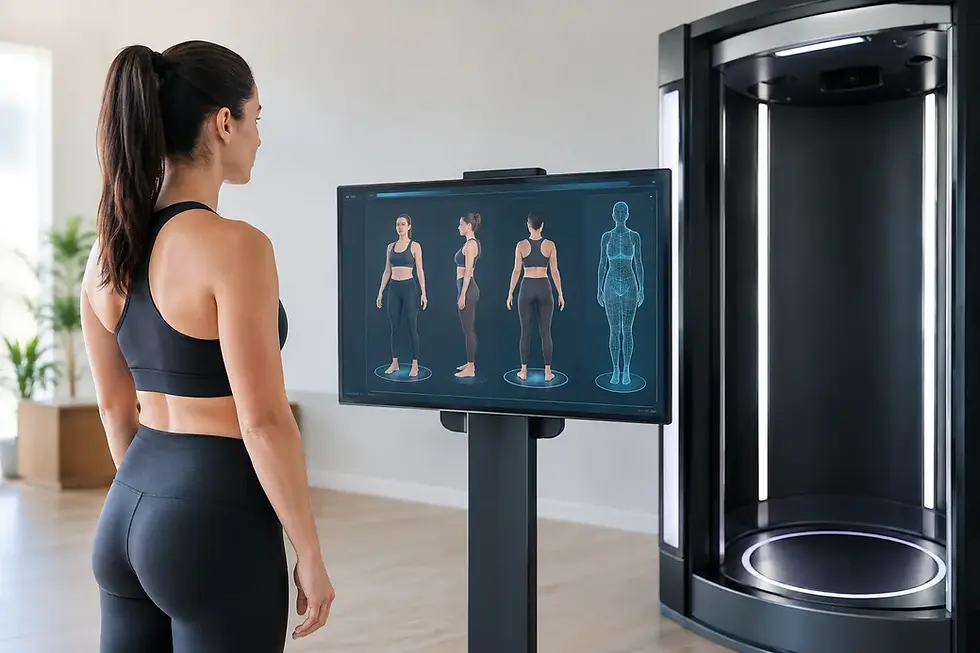
Visualization can make these metrics more meaningful. Seeing your potential transformation through a 3D body visualization tool can help you set expectations beyond a goal weight and recognize that progress may show up in shape, proportions, and confidence before the scale tells the full story. My Body Simulator can help you see your potential transformation and create a more tangible picture of the outcome you are working toward.
A protein target is working when it supports your real life: you feel adequately fueled, your meals are satisfying, your strength is stable or improving, and your plan feels repeatable. You do not need flawless tracking to build momentum. You need enough structure to make confident decisions, notice patterns, and adjust with support when your body or routine changes.
Interested in taking the next step? eMI offers a doctor-led GLP-1 weight loss program designed to help eligible patients achieve their goals with personalized care and ongoing support. Learn more and see if the program may be right for you at www.emi-aesthetics.com/glp-1.


Comments